
Love Stories, Coming Soon to a Theater Near You
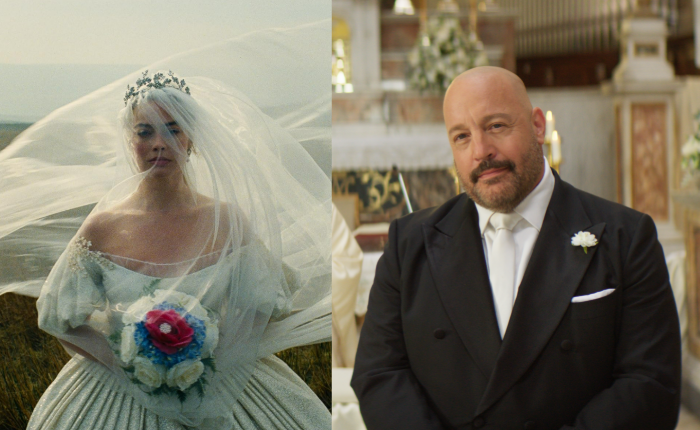
Every year around Valentine’s Day, couples of all kinds around the country look to end their date nights at the movies. Especially when Valentine’s Day falls on a weeknight, it’s the kind of low-effort, relaxing activity that two people can enjoy together after a nice dinner, and it gives them something to discuss with each other afterwards. And if it’s a film that has a great love story in it, one that fills your heart with the same kind of butterflies that you get when you look at your beloved, then it’s the perfect excuse to cuddle close with your valentine and remind each other of the transformative power of love.
But ever since COVID, distributors haven’t exactly prioritized putting romance on the big screen.
By the mid-2010s, plenty of blogs and thinkpieces - not to mention industry figures in interviews - already decried the end of the midbudget film: Those films that were made on a smaller level, were expected to only make so much money, but nonetheless remained profitable. This budget level could include comedies, dramas, romances, and the more ambitious horror films, and frequently made use of location shooting, star power, and tried-and-true screenwriting formulas to deliver reliable entertainment to audiences worldwide and provide the moviegoer with a bigger variety of choices when they headed to the multiplex. But by the end of the decade, it seems that studios had become addicted to chasing the billion-dollar blockbusters and monopolized the annual release schedule with mega-hits that drowned out the midbudget films at every turn; that is, when they were even released to theaters in the first place.
Instead of hitting theaters, midbudget films began to find their home in the seemingly limitless expanses of subscription-based streaming services. At first, it was Netflix (which, shockingly enough, didn’t even begin producing original content until the early 2010s), but by the time 2020 rolled around, every major corporation put money into creating their own streaming services and producers began shooting midbudget star vehicles specifically to become Prime Originals or HBO Max Originals (or, however shortly lived, Quibi productions). When the pandemic hit and distributors suddenly no longer had the reliable theatrical exhibition market, they began dumping their upcoming theatrical slate onto streaming, competing not just with streaming originals but also the entire history of cinema up to that point and every other form of distraction the internet provides. Then, when theaters opened back up, distributors played it safe and only released the surefire mega-hits to theaters, not giving audiences much of a choice with what kind of entertainment they could enjoy at the theater. If it didn’t play to all four quadrants, there’s a chance it wouldn’t hit the big screen.
Things have improved slightly in the five years since theaters shakily began reopening their doors and studios felt comfortable releasing the likes of Black Widow, F9, and Space Jam: A New Legacy. Warner Bros. had a banner 2025 balancing huge blockbusters powered by meme culture (A Minecraft Movie) with thoughtful and entertaining statements from auteur legends (Sinners, One Battle After Another), while the success of other comedies and dramas like The Naked Gun and Marty Supreme proved that audiences will still go out to theaters to see less action-oriented blockbuster fare if it’s marketed cleverly.
The romance, however, seems to be one area studios aren’t as willing to take risks on. Valentine’s Day 2025 was a Friday, which would have been the perfect release date for a new romantic comedy starring a couple of buzzworthy stars, but instead, Marvel used that date to release Captain America: Brave New World, their first Captain America movie since Chris Evans put down the shield (temporarily). That would have been the only major new release that weekend if Universal hadn’t decided to push Paddington in Peru back and provide some family counterprogramming to the dramatic political intrigue of Cap. The only Valentine-centric programming was the previous week’s holdovers of Love Hurts (an action movie) and Heart Eyes (a horror movie). Both films ought to function as alternatives to the traditional love story at a time when audiences are seeking out romances, but they were an alternative to nothing. Not a single movie in wide release over the long Valentine’s weekend could be described first and foremost as a romance film.
Where are the romance films these days? When they’re not just generic Christmas movies designed for people to have on in the background while they wrap gifts (of which there are tens of thousands these days), they often take the form of streaming originals like The Kissing Booth or To All The Boys I Loved Before series. Both have racked up great numbers for Netflix, but have also given producers the mistaken idea that audiences would prefer to watch their romance films at home. Obviously, there’s something to be said for the pleasure of curling up on your couch and watching a romcom under a blanket, but taking away the choice for viewers to watch it in a theater devalues the film. From the last decade alone, people still discuss Crazy Rich Asians more than any direct-to-streaming romcom, and that’s to say nothing of the recent success of films like Anyone But You, self-conscious throwbacks to a time when romcoms ruled the box office.
Anyone But You came out around Christmas of 2023, and opened softly for a major release from a studio at the busiest moviegoing time of year. But as it so often happens when crowd-pleasing films are given room to grow, momentum built over the following weeks and the film ended up being a sleeper hit for Sony, earning $220 million at a time when so many people thought the romance film was long dead. Signs of life persisted across the next few years, with Luca Guadagnino’s 2024 ménage-à-trois tennis film Challengers earning almost $100 million and A24’s Materialists earning over $100 million during a crowded summer season last year.
Now, a year after a Valentine’s Day when no love stories were present on the big screen, audiences had a choice between a couple of different options this last month. The biggest hit was the highly anticipated adaptation of Wuthering Heights starring Margot Robbie and Jacob Elordi, a film that was sold entirely on seeing the steamy chemistry between its two attractive leads and ended up dominating the cultural conversation over all other films and TV shows for the month of February. But for those who weren’t interested in the brooding, overtly sexual nature of that film, Angel Studios provided a sweet alternative with the Kevin James-led romantic comedy Solo Mio, a PG-rated tale of a man who gets left at the altar and heads to his honeymoon destination of Italy alone to find happiness there.
Between those two choices and the myriad other options in theaters right now - an animated family film like GOAT, a heist saga like Crime 101, a horror film like Send Help - this year’s Valentine’s Day felt like a robust slate that provided a little bit of variety for any kind of moviegoer. And if theaters want to get people back in the habit of regularly going to the movies, this kind of diversity of style and genre is important, not just because it gives the viewer more options, but also because when those mega-blockbusters do hit the big screen, they feel more monumental instead of being drowned out by 3 or 4 titles of the same caliber opening simultaneously. And if moviegoing itself is going to become a regular habit again, the major distributors ought to be willing to put a wider variety of product on the big screen.
2026, so far, is shaping up to be that year where the love story makes a comeback on the big screen. Besides the other two major titles we’ve seen this winter, March has the next Colleen Hoover adaptation Remainders of Him coming, and Universal has a travelogue-style romcom coming in April called You, Me & Tuscany that will provide viewers with a charming romance alongside beautiful images of the Amalfi Coast in Italy. We only hope that this trend continues because, ever since COVID and even before then, love stories on the big screen seem to be more of a dying breed, and whether they’re your preferred cup of tea or not, we all need them to keep a healthy moviegoing culture and love of cinema alive through the generations.