
6 Things The Industry Should Learn from Project Hail Mary’s Success
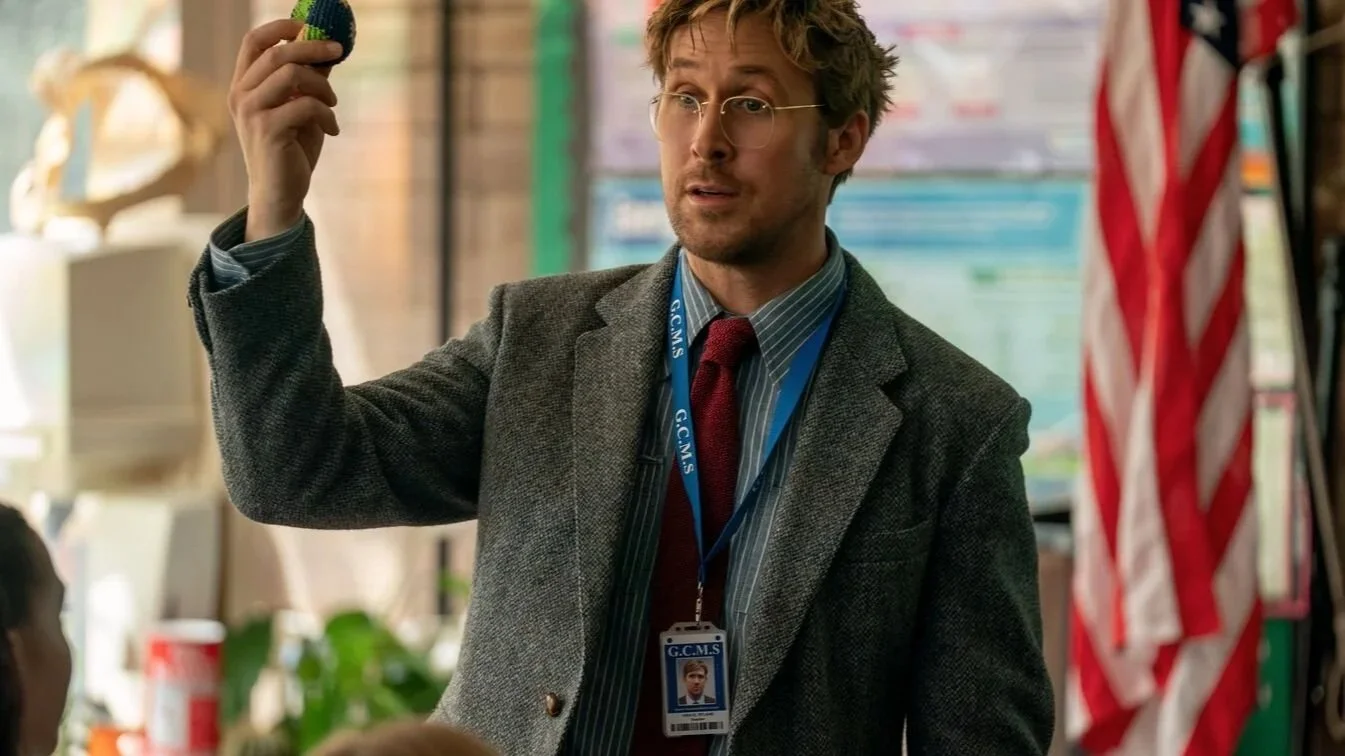
There’s just three words that can describe the runaway success of Project Hail Mary: AMAZE AMAZE AMAZE! Just a few weeks ago, the film was tracking to open at around $50M or so, but the Ryan Gosling space epic directed by the powerhouse duo of Phil Lord and Christopher Miller ended up defying the odds (much like Project Hail Mary itself) and opening to $80M with excellent word-of-mouth. The importance of that WOM can’t be underestimated either. For a film of this size, it’s an enormous feat that the film only dropped 33% in its second weekend, proving that the film will likely stick around in theaters well into the summer movie season, as was the case with the powerhouse that was Sinners last year.
Project Hail Mary was always going to be a grand spectacle worth seeing on the big screen, but it’s clear that the alchemy of its production and the moment of its release were the perfect ingredients to make what could end up being one of the biggest films of 2026. But naturally, you can’t keep an industry thriving with one or two major successes. So now that we know Project Hail Mary works and is connecting with audiences worldwide, what are some takeaways we can learn from its success and how can we focus our energy on replicating it for future films? Here are some things we thought:
The Power of One Star, not a Dozen
As certain franchises continue to grow and accumulate more big names for every entry - while also making room for every fan favorite character who appeared in past installments - posters for major blockbusters have begun to look more like I Spy games than actual promotional material. It’s not enough to simply have 3 or 4 big names anymore; some of the biggest blockbusters of the last several years feature nearly a dozen characters on one poster, so much so that several memes making fun of the bloat from modern studio blockbusters have popped up online in the last few years.
Project Hail Mary only has one face on all of its posters and marketing materials: Ryan Gosling. There are a couple other recognizable faces in the cast, including European art-house legend Sandra Hüller as the project’s task force leader, but the image that the studio has been selling viewers is that this is a chance to see Ryan Gosling utilizing all of his charisma to guide the audience on an intergalactic voyage. While 2024’s The Fall Guy underperformed, Gosling is still less than three years removed from the heights of Barbie fever, and audiences know from his 2010s career that he can handle both comedy and drama deftly. By centering the movie on a single talented star instead of multiple huge names all competing for attention, it helps the movie stand out as a unique experience worth the cost of a ticket.
PLFs Rule, When You Know How to Use Them
Ever since theater screens went wide to compete with television in the early 1950s, cinemas have adapted the ways they project movies in an effort to keep audiences coming to their theaters. Some of these have stuck, like the widescreen format or the continuing trend of 3D; others, meanwhile, go extinct before they even really get off the ground, such as the ill-fated Smell-o-vision or Interfilm. But the idea that has stuck around most is that seeing a big movie like Project Hail Mary deserves to be seen on the biggest screen you can find. As of right now, it seems there’s a new release hitting large-format theaters across the country every week, from the mainstay IMAX to Dolby Cinema, HDR by Barco, Samsung Onyx, and many more. And with each new release comes an ad campaign demanding that viewers take the trip to see it on the largest format possible.
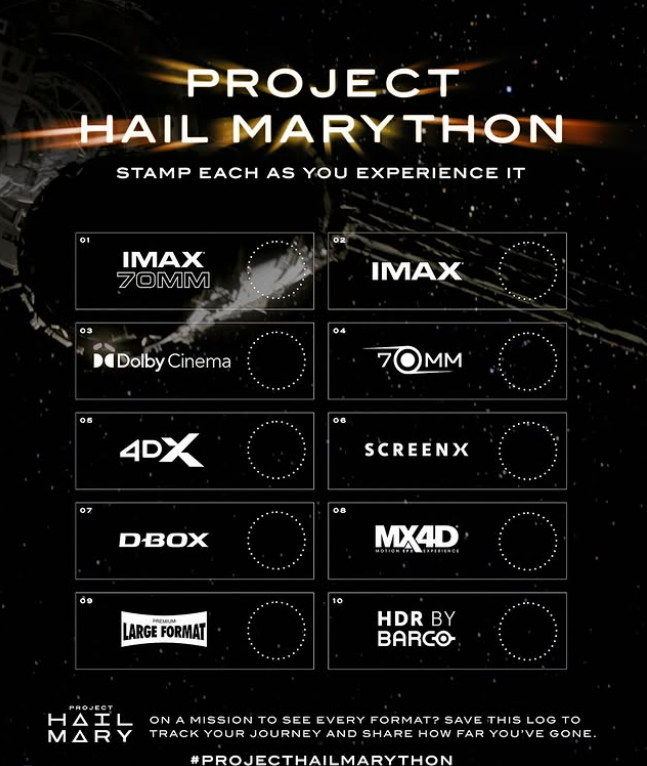
The thing to remember about Premium Large Formats is: You need to make a movie worth seeing on that large of a screen first. Having the newest chapter in a long-in-the-tooth franchise on a three-story screen isn’t going to make a difference unless, on a filmmaking level, the directors, camera department, and effects team work together to create visuals that are worthy of being projected on that large of a screen. Project Hail Mary delivers that satisfaction to viewers in spades, with all the scenes taking place in space expanding the film’s aspect ratio to take up the full height of the IMAX screen, while the sharp contrasts and incredible use of the color black among the stars look terrific on the laser projectors you often see in these large houses. The film already had hype going into its opening weekend, but when word got out that the visual spectacle demanded to be seen on the in whatever PLF you can find, the hype shot through the roof. The marketing team behind the film even took advantage of that, creating a checklist for people to share on social media of which formats they had seen the movie in (a subtle encouragement to get people to see the film multiple times).
Don’t Discount Phil Lord and Chris Miller
Back in 2017, Phil Lord and Christopher Miller were working on their first major live-action blockbuster, Solo: A Star Wars Story. They had already proven themselves ready for primetime ever since they had abandoned TV for film a few years back with the better-than-expected Cloudy with a Chance of Meatballs, the hilarious fourth-wall-breaking gags of 21 and 22 Jump Street, and that they could deliver a charming, exciting, and hilarious animated film the whole family could love with The Lego Movie. Everyone assumed they were headed to become the next huge forces in the film industry, but suddenly, midway through production, they were let go of the project due to clashing visions and the top brass at Lucasfilm growing more displeased with their working methods by the day.
Instead of continuing to work in live-action, Lord and Miller retreated into writing and producing the industry-changing Spiderverse franchise, while us movie fans had to simply fantasize about what a Lord/Miller film would look like on the massive scale of an epic sci-fi blockbuster. Luckily, Gosling (who also produced the film and owned the rights to the material) chose the duo to helm Project Hail Mary, and even if their working methods might seem offbeat for a film of this size, I would say that the proof is in the pudding. The film blends irreverent humor with genuine pathos and thrills, turning what could be a very difficult sell - spending two and a half hours with one man and an alien - into a truly exciting, emotional journey that vindicates all those who were sad to see them kicked off the Solo movie nine years ago.
Book Adaptations Continue to Win
Too often, film studios of the modern era look to capitalize on successful IP solely by returning to same property again and again, through sequels, reboots, reimaginings, and all kind of ways to turn a single successful film into a cinematic universe. Some producers end up so focused on repeating past success through regurgitating IP that they seem to forget one endless source of IP with a built-in audience: The bestselling novel adaptation.
Ever since filmmakers started using the medium of cinema to tell stories, they’ve often looked towards popular books of the day to bring to life what readers had only been able to conjure in their own imagination before. In the last few decades, it feels like Hollywood studios have mostly looked elsewhere for their adaptations - TV shows, video games, and of course, remaking older films. While these properties have built-in audiences eager to see favorite characters and worlds on the big screen, the films themselves are often too beholden to what came before (visually and thematically) to really stand on their own.
Meanwhile, Project Hail Mary and a slate of other recent successes like The Housemaid, Hamnet, and the multiple recent Colleen Hoover adaptations are helpful reminders that you can still bring in a reliable crowd by adapting a hit novel for the big screen. It’s true that less Americans are reading for pleasure nowadays than in earlier decades, but with social media and especially the rise of BookTok, reading has become a fashionable trend for millions of Americans across the country. A lot of these novels are being adapted into TV miniseries or direct-to-streaming films, but if Hollywood wants to help keep the movie theater industry alive, they ought to start putting more of these on the big screen where they belong. Because with a low overhead cost on most films like these (Project Hail Mary not included), a dedicated fanbase, and the opportunity for cinemas nationwide to connect with book fans, releasing a book adaptation to theaters is one of those rare situations where truly everybody wins.
Spectacle Over Generic Action
I don’t think it’s too far-fetched to say that the action in most mainstream blockbusters has gone downhill in the last decade or so. A number of action films lately deliver weightless, CG-heavy setpieces, often set in featureless gray landscapes. And yet, the most thrilling fight or chase scenes of all time utilize inventive stuntwork, choreography, and editing to deliver an impactful experience, something that feels mostly lost. Not every film needs to have action on the level of a Mission: Impossible film, but if you promise viewers the chance to see exciting action on a huge screen and deliver something generic that has been done hundreds of times before, they’re slowly going to get out of the habit of regular moviegoing.
What’s different about Project Hail Mary is that it’s getting audiences into theaters not with the promise of an edge-of-your-seat action (even if its few moments of action are thrilling), but with the idea of a visual spectacle as a main selling point. The space scenes in the film are a marvel to behold, and instead of using the setting as a backdrop for some kind of big alien brawl, the film allows Ryland Grace and the audience to bask in the beauty of the world they created. It feels like it has more in common with Stanley Kubrick’s 2001: A Space Odyssey than with the Star Wars franchise, allowing moments of quiet and contemplation in a vast sea of noise. This ability to pause and appreciate the beauty is something that most films of its budget avoid, but perhaps it’s secretly what audiences have been craving for the last several years.
Audiences Are Looking to Feel
In an era where being “cringe” is one of the worst sins an artist can commit to the mass hordes on social media, it often feels like modern movies are afraid to ask audiences to feel big emotions anymore. From the 2000s onwards, it’s become de rigueur to have characters undercut important emotional beats with a joke or some other indication that we, the audience, are not meant to take these things so seriously. But in the week since Project Hail Mary hit theaters, it seems a number of moviegoers are discussing how the film made them cry. One review of the film even referred to it as a “sci-fi tearjerker.”
Project Hail Mary is a very funny film throughout, with several quotable lines and memorable moments. But Gosling and the team of Lord/Miller (to say nothing of the screenplay by Drew Goddard) know that the way to really get people talking about your film afterwards is to give them all the humor and thrills they expect from a big film like this and then give them something that will make them emotional about the characters and the journey they’re on. Sure, there will always be those who try to make fun of people who cry at movies or get teary-eyed over a rock-shaped alien, but if the runaway success of Hail Mary is any indication, I think audiences are open to feeling those big emotions again, and hopefully we can see a shift towards this honest, open sentiment in major blockbusters again.