
Tom Cruise: The Last Movie Star
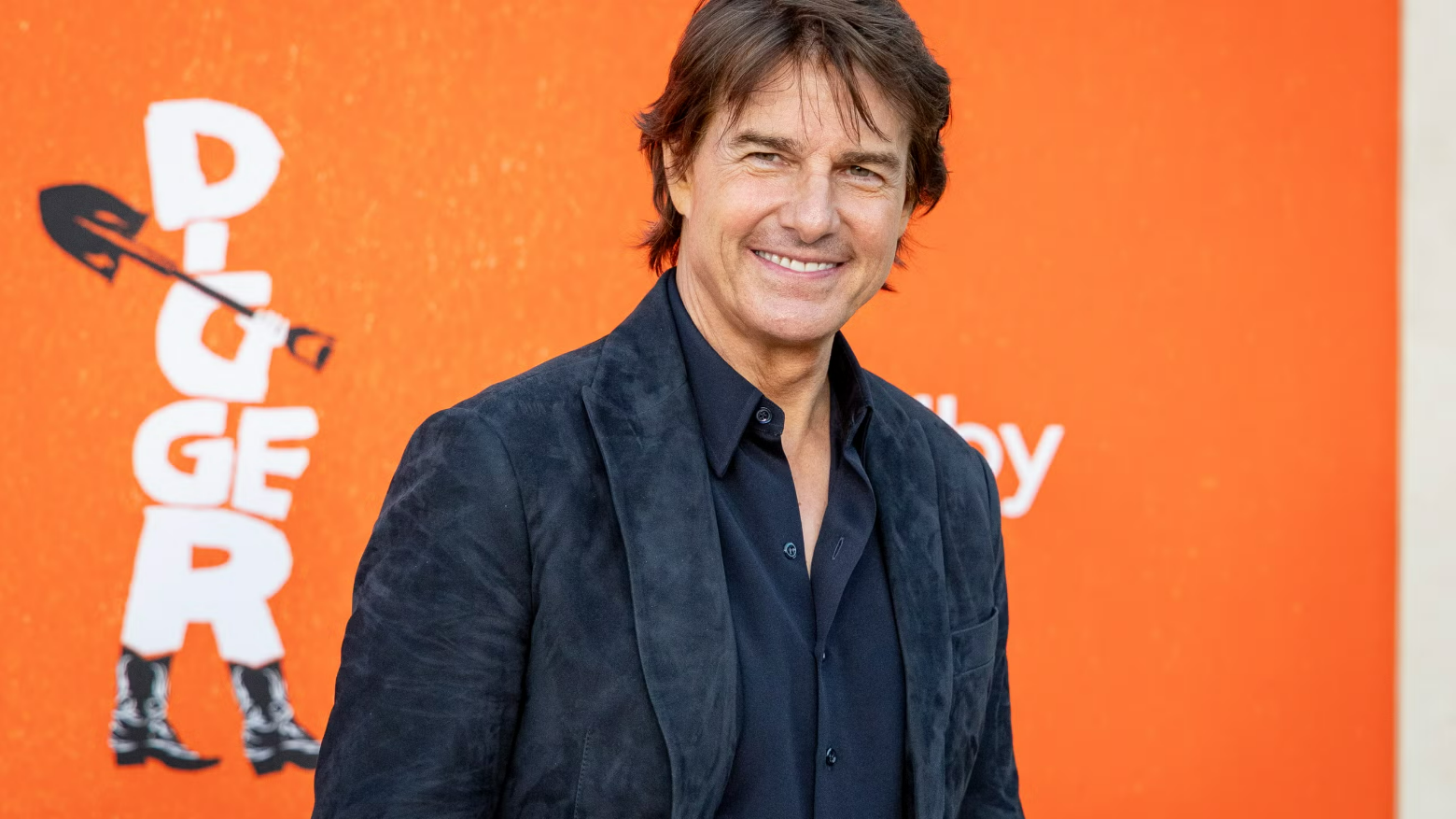
Ethan Hunt. Jerry Maguire. Pete Mitchell. Les Grossman. And now, Digger Rockwell.
Born on the edge of Baby Boomer and Generation X, Thomas Cruise Mapother IV is the “last” movie star of our generation. To call him a Hollywood icon is an understatement -- as of 2026, Cruise’s films have grossed over $13.3 billion worldwide, placing him only below a few Avengers: Endgame & Avatar actors as the highest-grossing actor of all time, as well as consistently being one of the world's highest-paid actors.
He also founded his own production company, first with his agent, Paula Wagner, and now TC Productions. Each of which was formed to give Cruise more creative freedom over his film projects and to give him the opportunity to produce and direct movies.
But many actors and content creators today have launched their own production companies, so what makes Tom Cruise so different overall? First, some backstory:
When silent pictures grew in popularity in the early 20th century, studios were reluctant to “name” their actors, because they feared they would want higher pay. Carl Laemmle broke this trend in 1910 when he highlighted one of his actresses for promotional impact. Less than 10 years later, Mary Pickford became the first Hollywood “celebrity,” cementing herself as “America’s Sweetheart,” and being able to demand high salaries and accumulate power and influence within the fledgling studio system.
Then during the “Golden Age” of Hollywood, approximately 1930s through 1940s, the studio began controlling and even engineering their star talent. Some of this included locking them into extensive, non-compete contracts, but also led to the introduction of “rebranding” talent. Studios would change an actor or actress’s name, alter their appearance with dental work and/or plastic surgery, and even invent backstories.
This “star system,” as we now call it, created, promoted, and even exploited actors and actresses up through the 1960s. The star system put an emphasis on the image rather than the acting. Contracts had morality clauses. Studio executives, public relations personnel, and agents worked together with the actor to create a star persona and cover up incidents or lifestyles that would damage the star's public image. Arranging fake dates between single stars and starlets was a common way to generate publicity. Tabloids and gossip columnists were tipped off and photographers were “conveniently” around, not to mention tabloid papers eagerly reporting on stars' drug use, drinking problems, divorce, or adultery.
The rise of “New Hollywood” in the 1960s resulted in the subsequent demise of the classic studio system, but the established star system stabilized the changing film industry during this era by providing films with built-in audiences. Hollywood talent agencies also now had to be licensed under the California Labor Code, which ultimately led “star packaging” to be added to the star system, especially when the Creative Artists Agency (CAA) began operating in the mid-1970s. Star packaging was highly popular in the 1980s and 1990s, which were two decades when Tom Cruise’s career led to him ultimately becoming a household name.
Unlike many of his contemporaries, Cruise revels in the Hollywood lifestyle, rather than shying away from it or living off the grid. He is constantly in the front and center of every project, not just operating silently behind the scenes. He is always perfectly tailored and styled. He seems to genuinely enjoy studio-mandated press tours. He recites talking points that don’t feel rehearsed while also having eloquent answers for everything that sound genuine. He does his own stunts but also isn’t afraid to act goofy on talk shows. He doesn’t wander into territory that would risk isolating him from any particular demographic. And addressing the elephant in the room: Is there any celebrity controversy that resulted in such a successfully rehabbed image following Cruise’s infamous “couch jumping” on Oprah or his controversial antipsychiatry comments (both of which incidentally occurred in 2005)?
There is certainly an abundance of what we would refer to as “celebrities” in modern cinema, and of course studios are still very protective of their talent and provide them with coaching, makeovers, press training, and more. But there are few actors & actresses out there, in my opinion, who are on a “movie star” trajectory. Fewer celebrities whose name alone send people in droves to the theater, both domestically and internationally. For better or worse, Hollywood has changed: There are now mergers, international investors, social media, global pandemics, and additional external factors, including “cancel culture,” but yet Tom Cruise has weathered it all.
Incidentally, while composing this blog, Variety posted an article entitled, “Robert Pattinson Is a New Kind of Movie Star: The Anti-Tom Cruise.” Similarly, a podcast called “The Big Pic Pod” recently talked about Pattinson’s current trajectory and filmography under a topic they called, “Is Robert Pattinson Our Biggest Movie Star?”, where the hosts discussed Pattinson seeking out potential collaborators and his ability to draw people to the theater multiple times this year alone.
And I think that, overall, is the biggest takeaway: The “movie star” as we know it is evolving, and the current chapter will end when Tom Cruise leaves this celestial plane with only his body of work remaining.
But what a hell of a way to go.